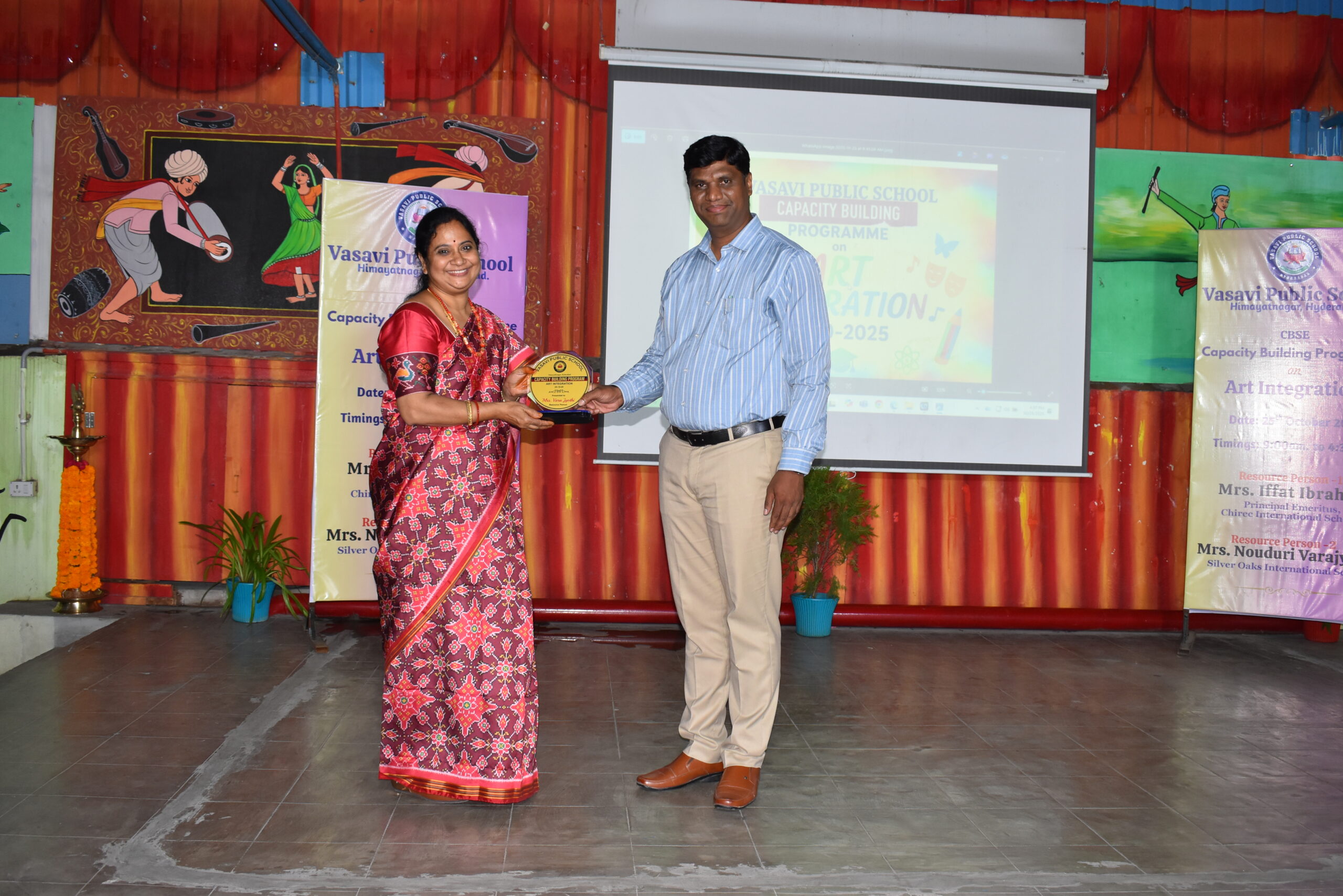
Report on One-Day CBSE Capacity Building Programme: Art Integration Workshop
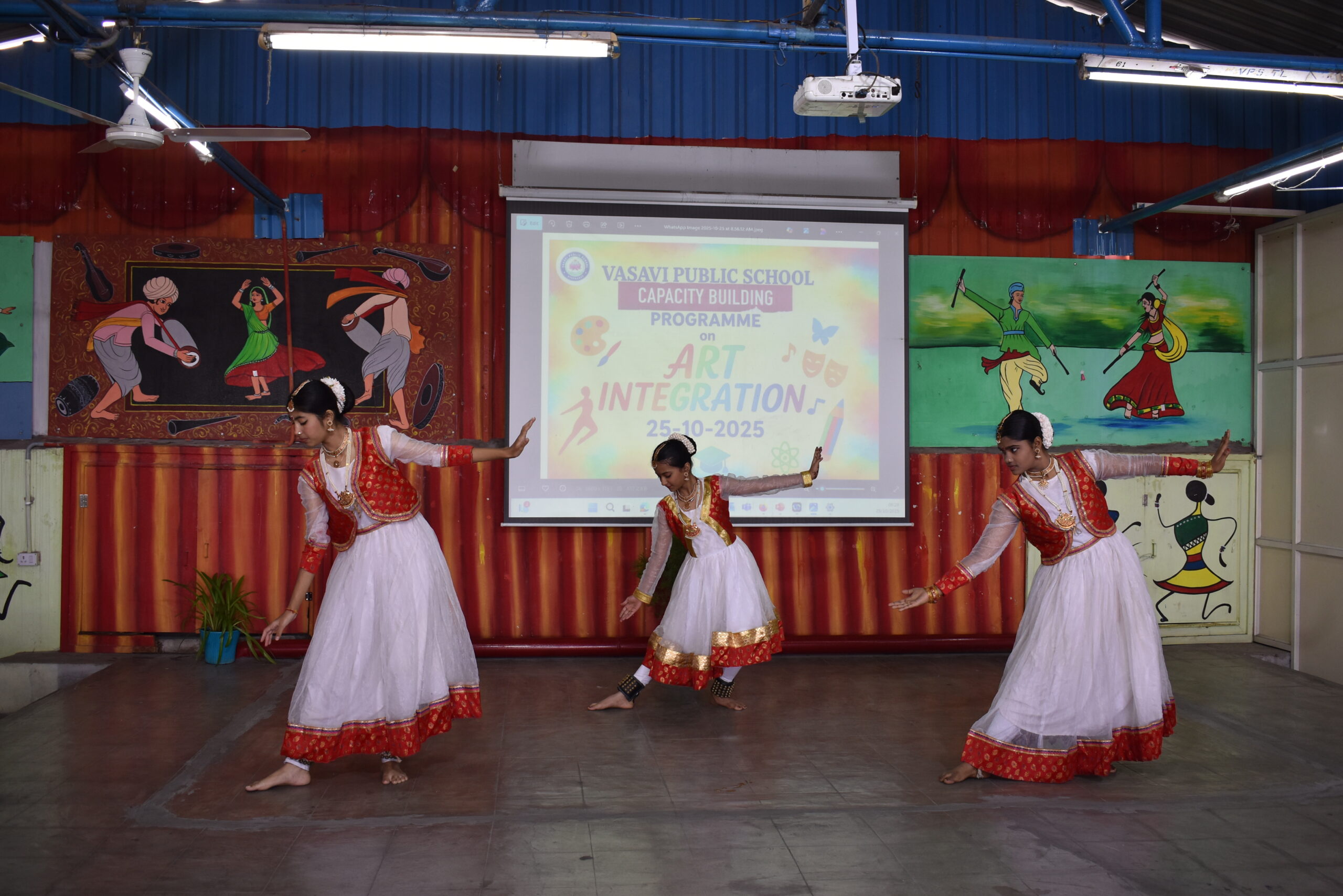
Date: 25 October,2025
Venue: Vasavi Public School, Auditorium.
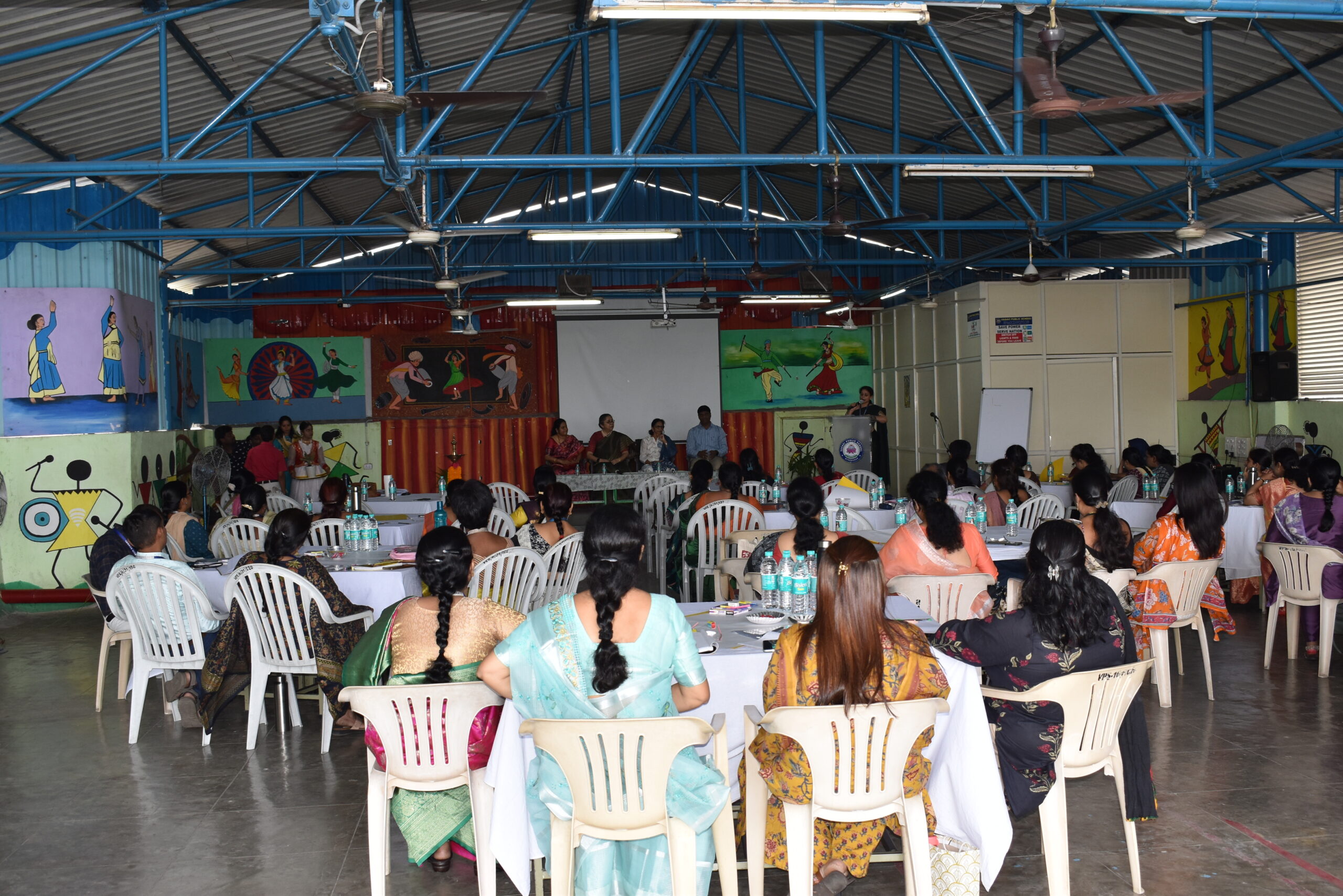
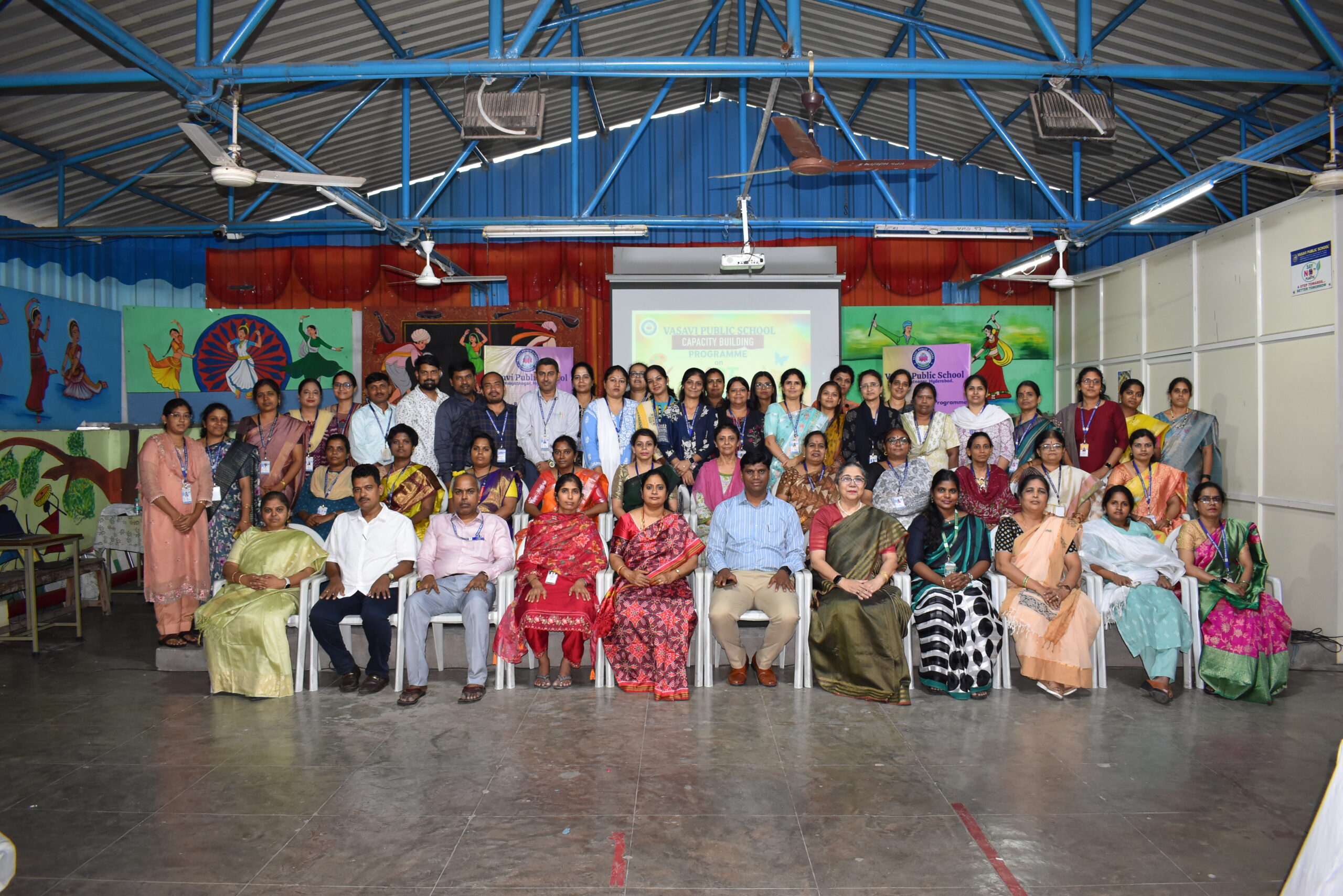
Total Attendees: 58- (44 Venue Teachers and 14 from Other CBSE schools)
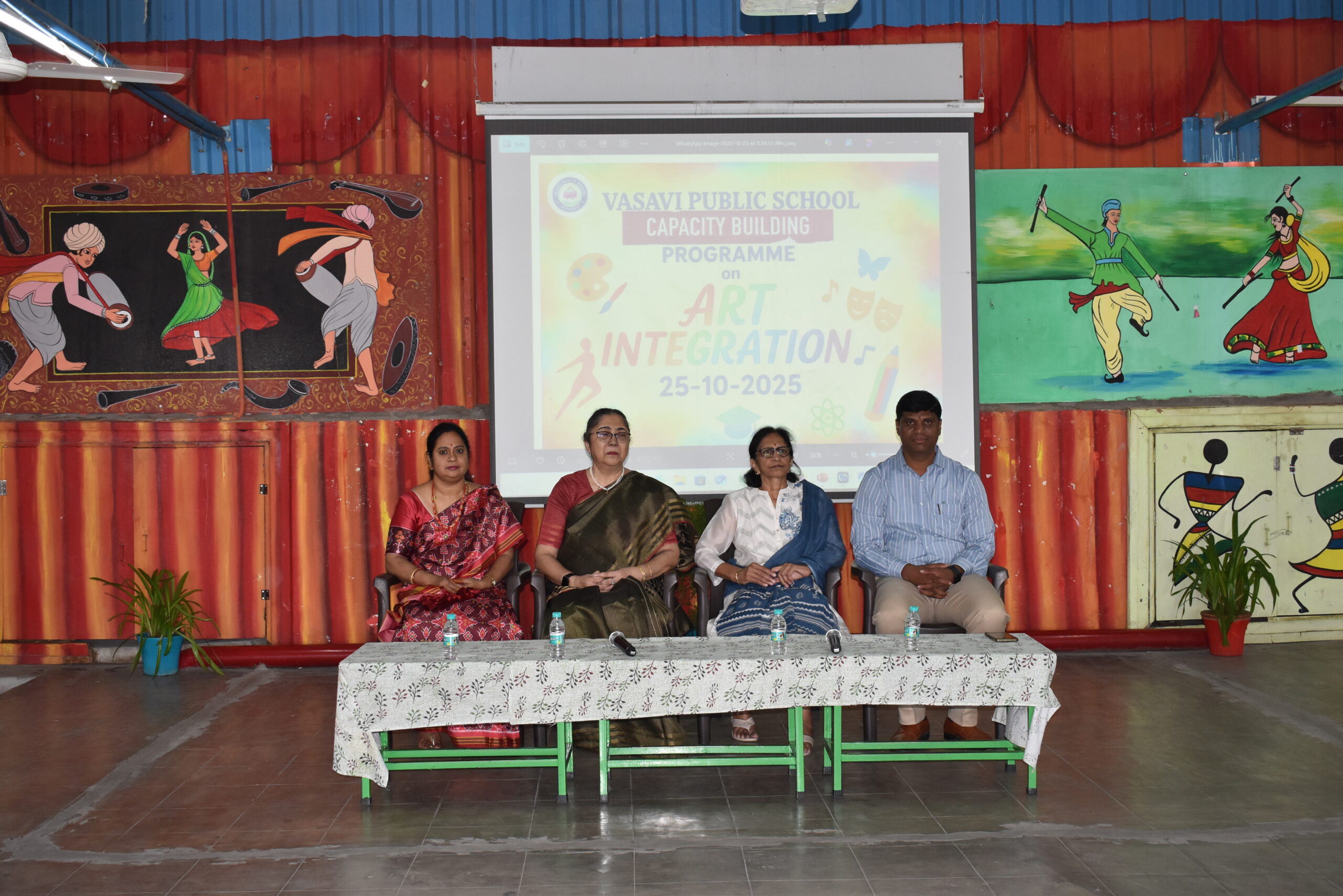
Resource Persons: The workshop was conducted by two experienced educators:
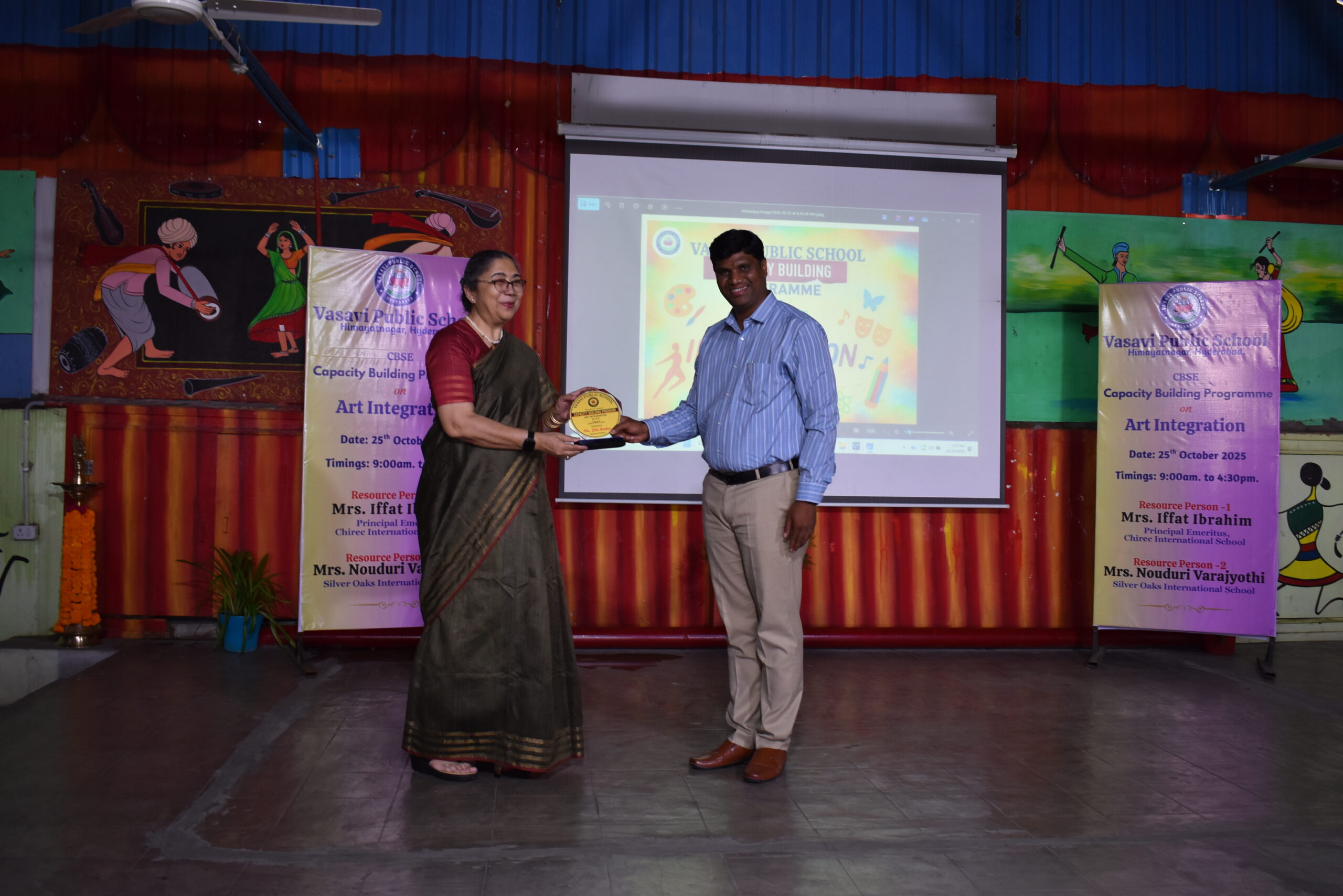
- Ms. Iffat Ibrahim, Former Principal, Chirec International School
- Ms. Nouduri Varajyoti, Silver Oaks International School
The CBSE Capacity Building Programme on Art Integration aimed at enriching teaching methodologies through creative and interdisciplinary approaches. The workshop focused on integrating art into the curriculum to foster holistic learning, enhance student engagement, and promote experiential learning.
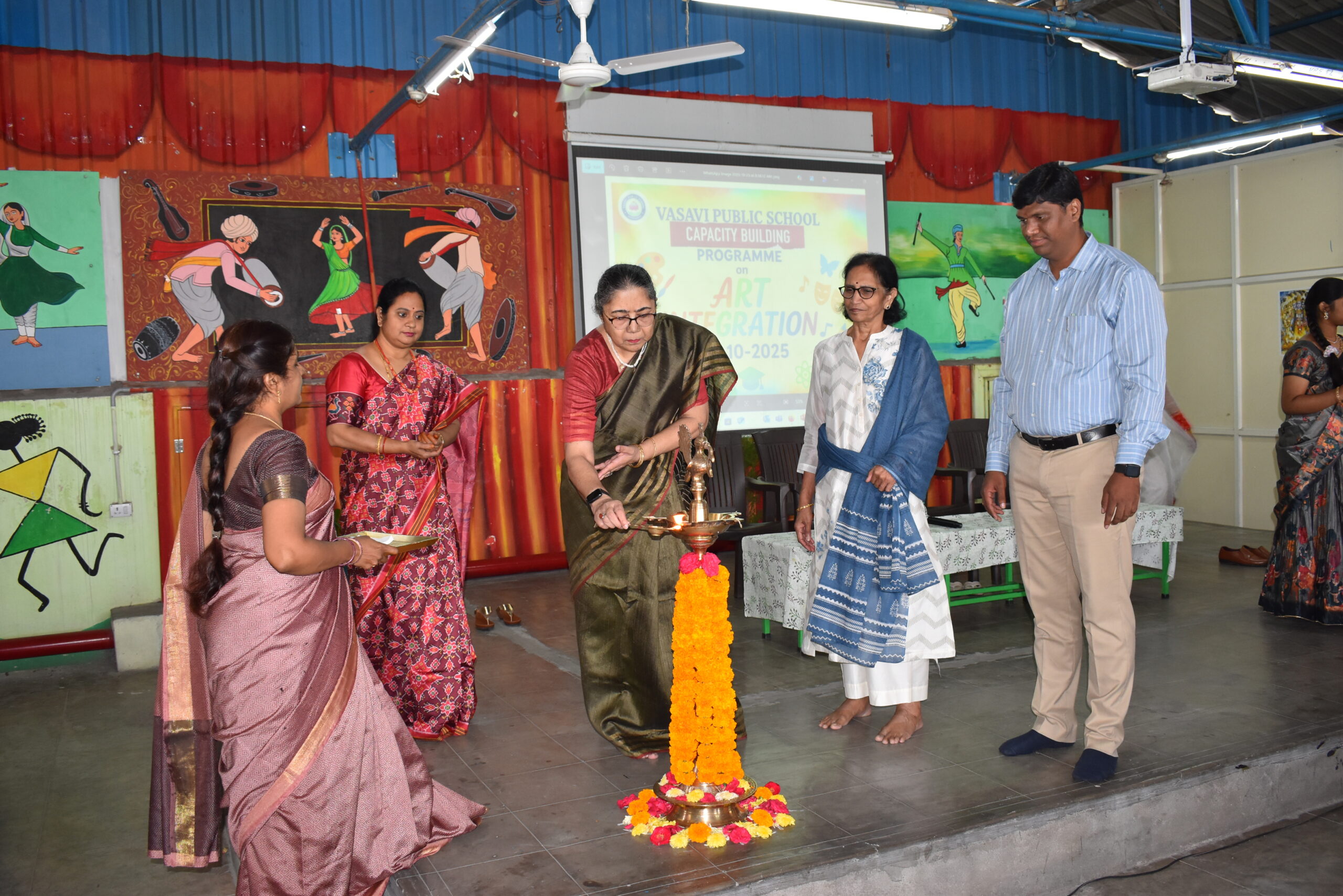
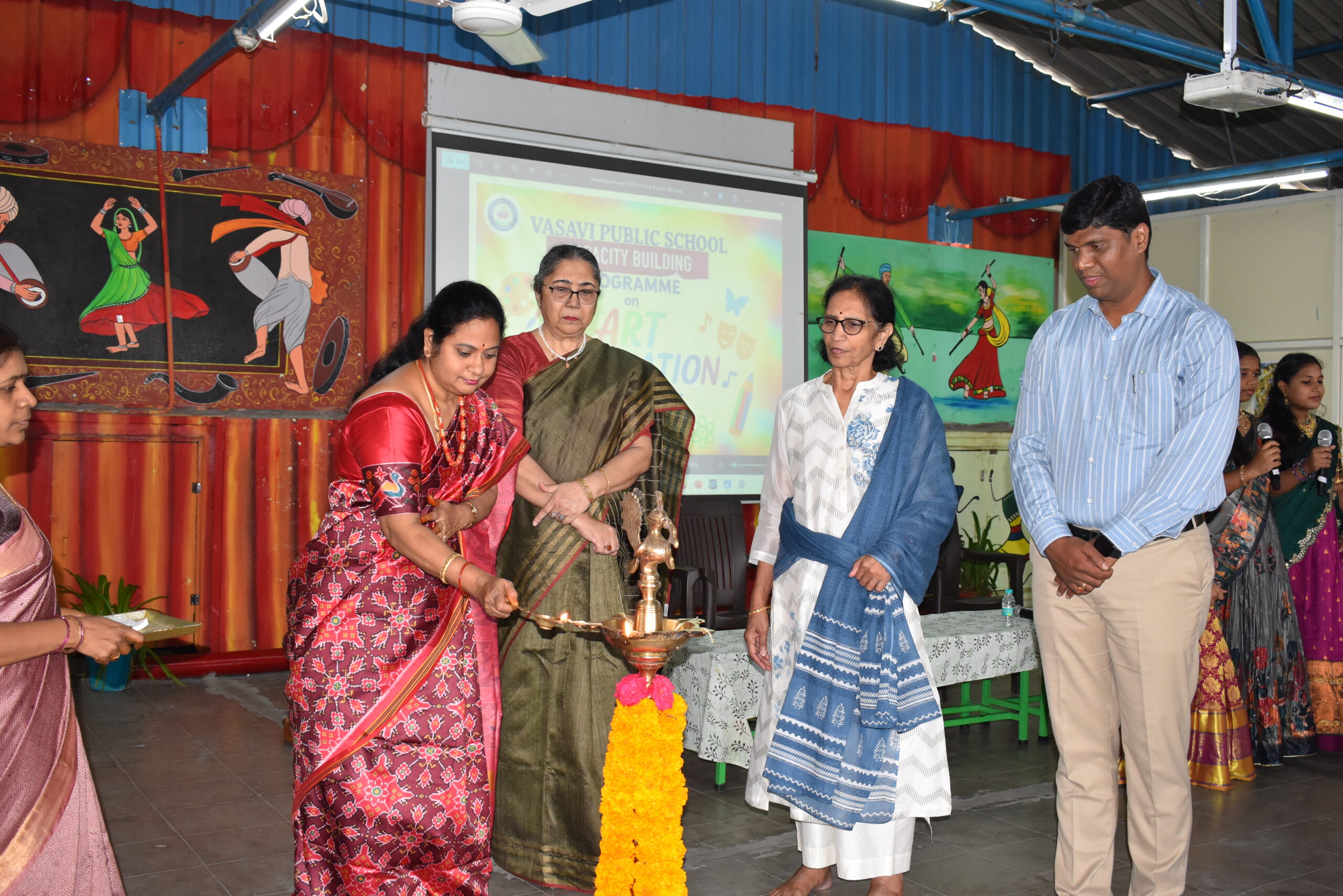
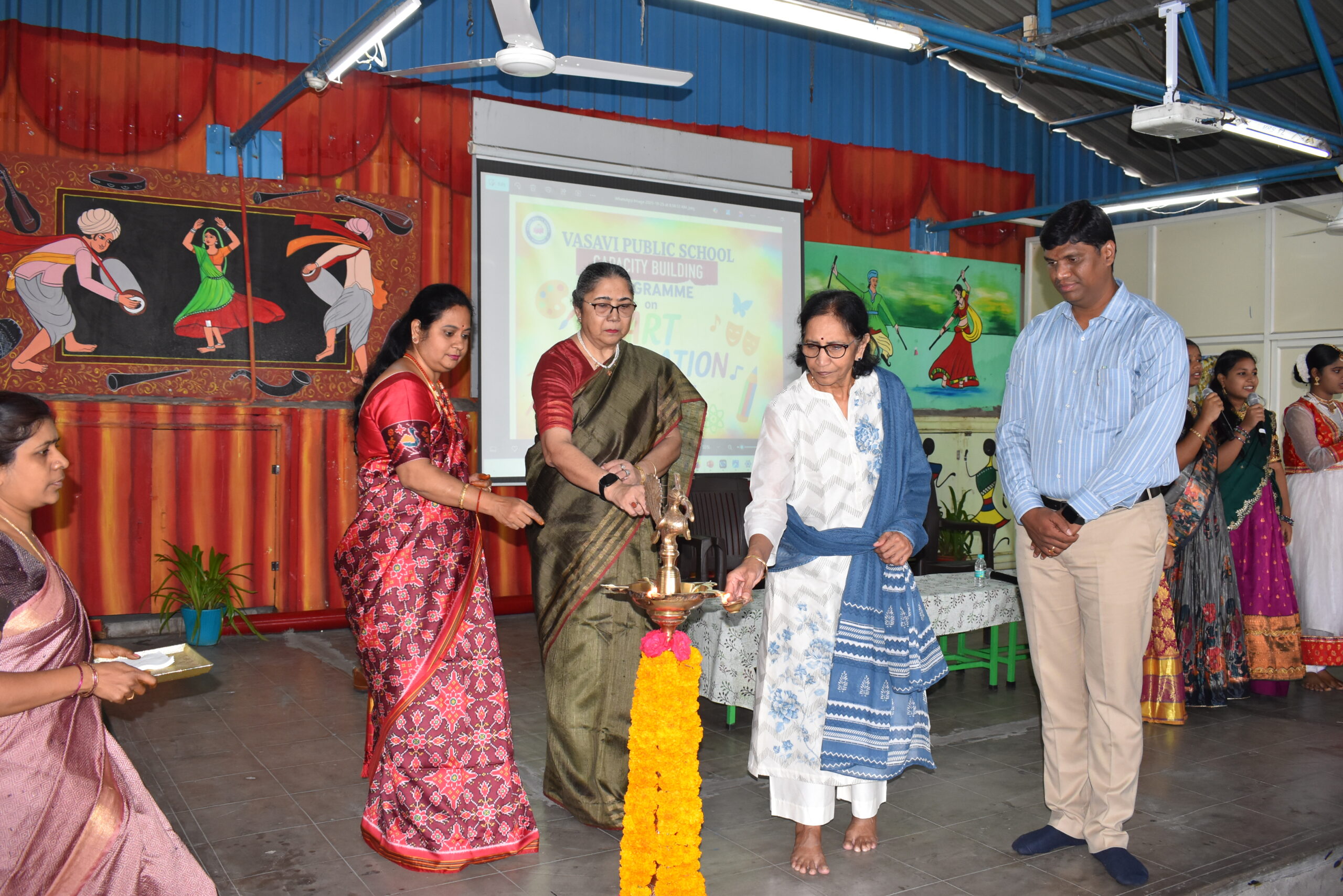
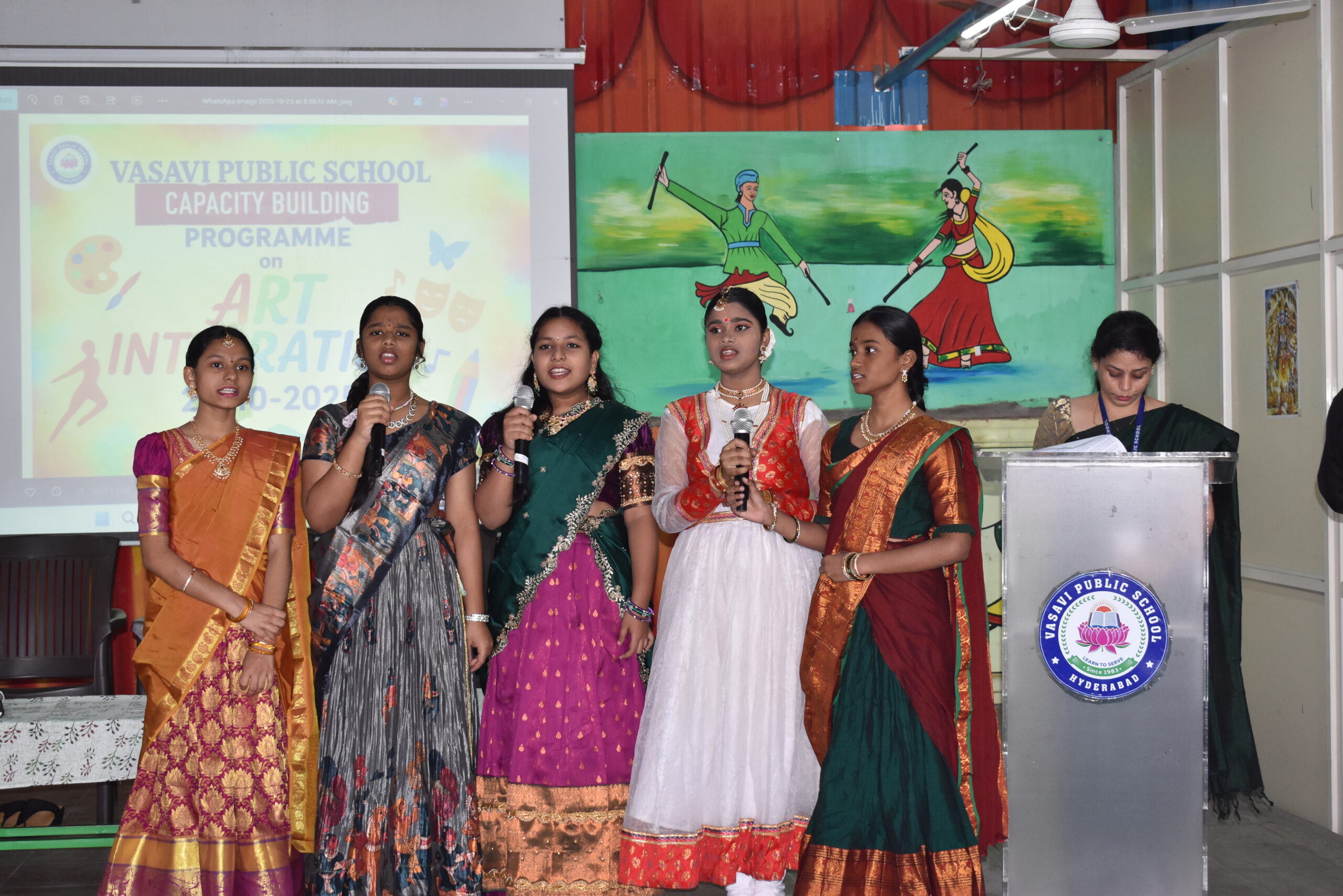
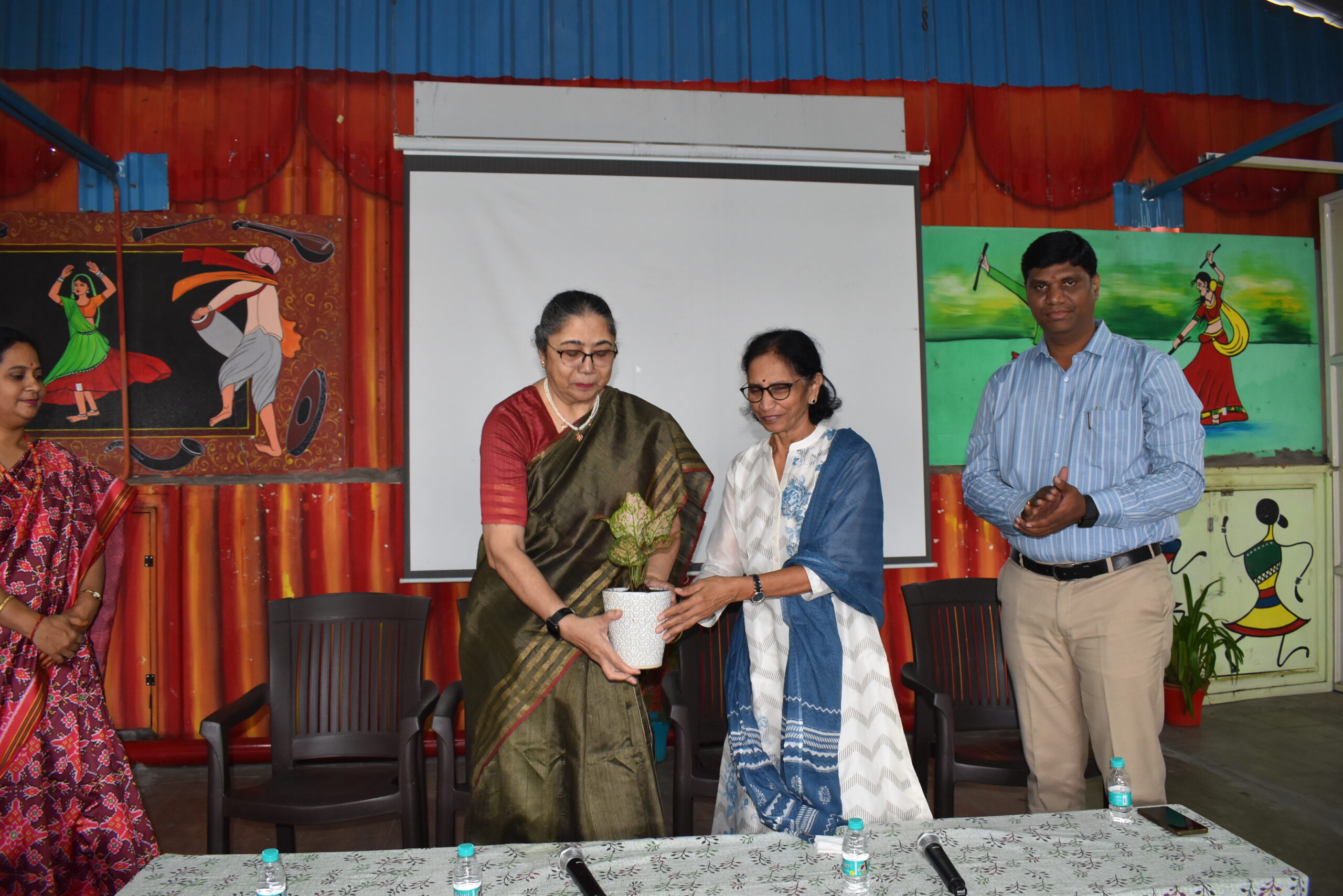
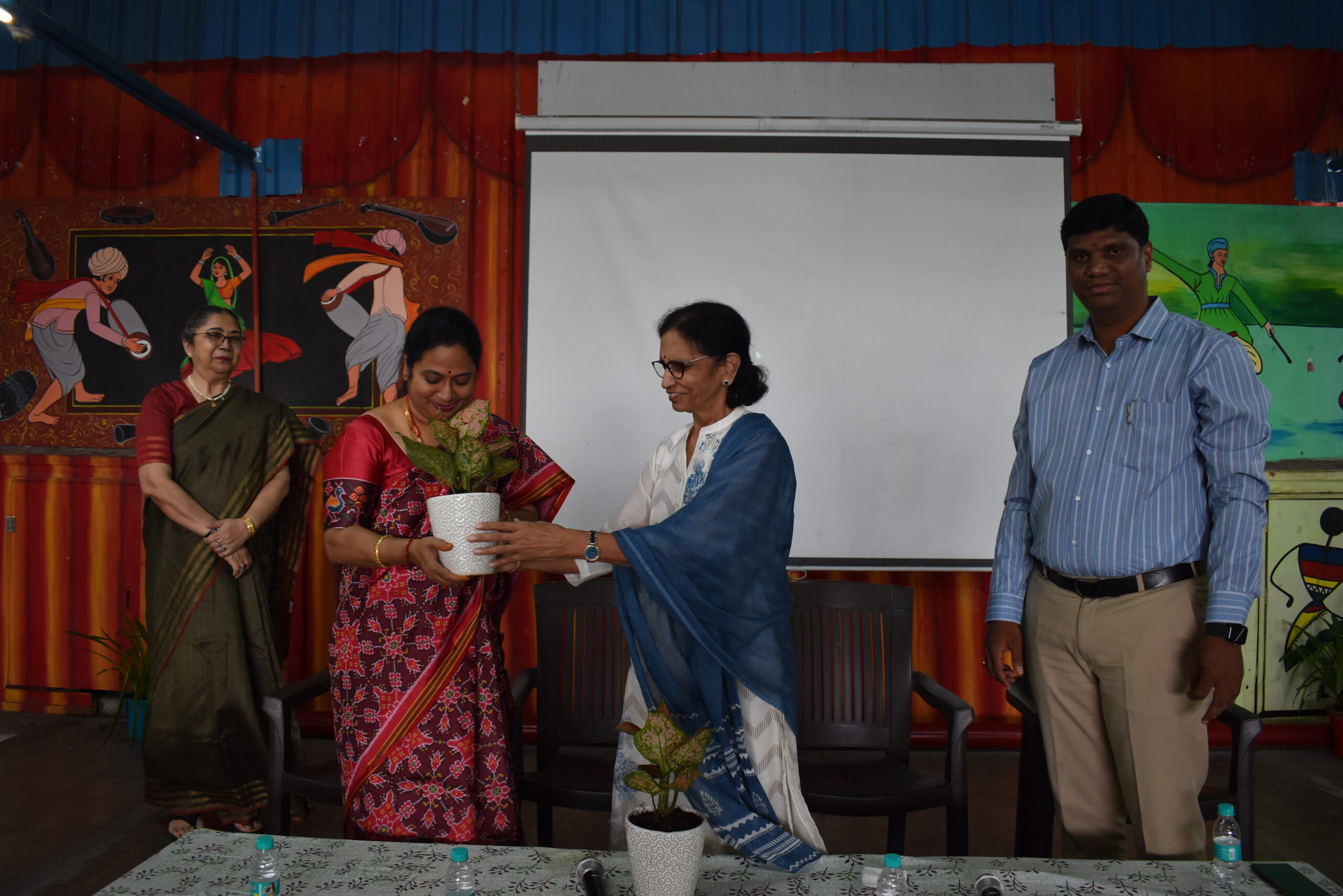
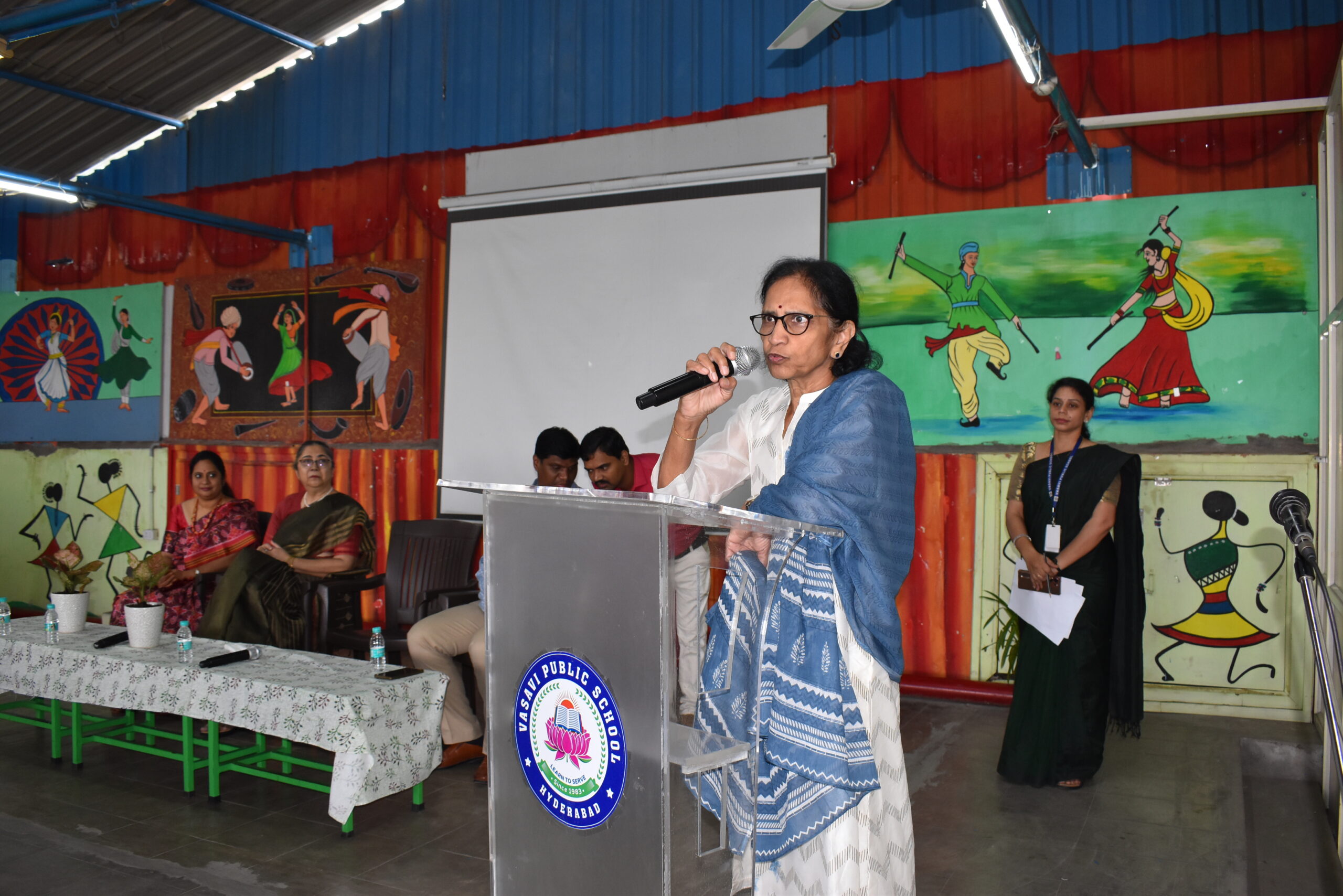
The day began with an invocation of divine blessings, setting a reflective and positive tone for the sessions ahead. A warm welcome was extended to all participants and resource persons. The guest speakers were formally welcomed by Mr. Srinivas Reddy, Principal and Ms. Jaishree Rao, Academic Director, who emphasized the importance of creativity in education and the transformative power of art integration in the classroom.
Both resource persons brought deep expertise in art-integrated pedagogy and shared practical strategies for embedding artistic expression into various subjects. The sessions was dynamic, interactive, and filled with real-world examples that inspired teachers to rethink the limited impact of traditional teaching methods.
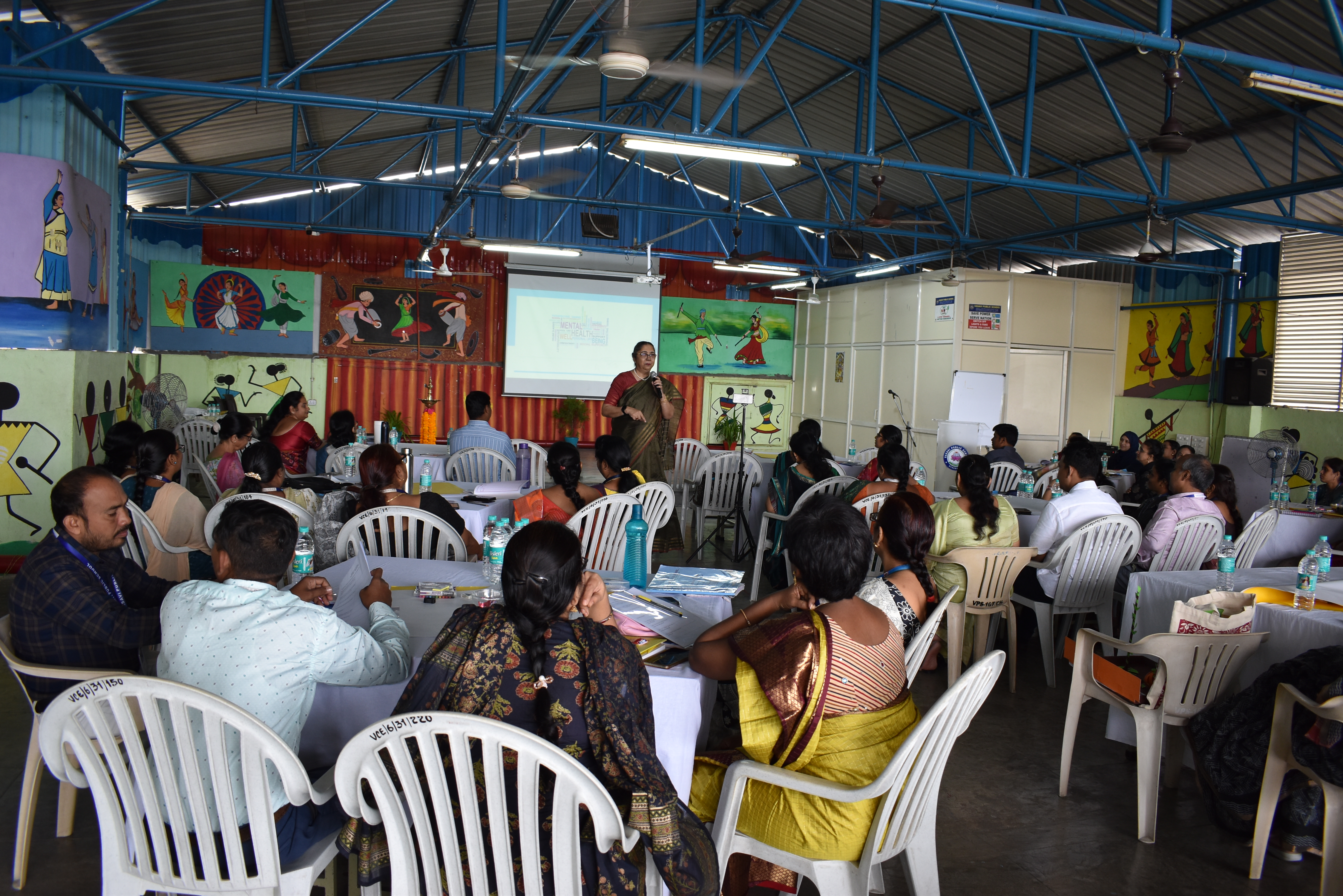
The workshop opened with a powerful session on mental well-being of children, recognizing it as the need of the hour. The resource person emphasized the importance of creating mental awareness among educators and students alike. Key strategies and support systems were discussed, including:
- Understanding Emotions: Helping children identify and express their feelings in healthy ways.
- Peer Support: Encouraging collaborative learning and emotional bonding among students.
- Stress Management: Introducing mindfulness techniques and coping strategies to handle academic and personal stress.
- Access to Resources: Ensuring students have access to counselors, support staff, and safe spaces.
- Parent Involvement: Strengthening the home-school connection to support emotional growth.
- Emotional Well-being: Promoting a nurturing environment that values empathy, resilience, and self-awareness.
Session 1: Understanding Art as a Pedagogical Tool.
Following the mental wellness session, educators were introduced to a diverse array of Indian art forms, including visual arts, performing arts, folk traditions, and craft-based expressions. This segment aimed to:
- Familiarize teachers with the cultural richness of India’s artistic heritage
- Demonstrate how traditional and contemporary art forms can be integrated into classroom teaching
- Encourage cross-disciplinary learning through creative expression
Session 2: Art Integration Through Experiential Learning:
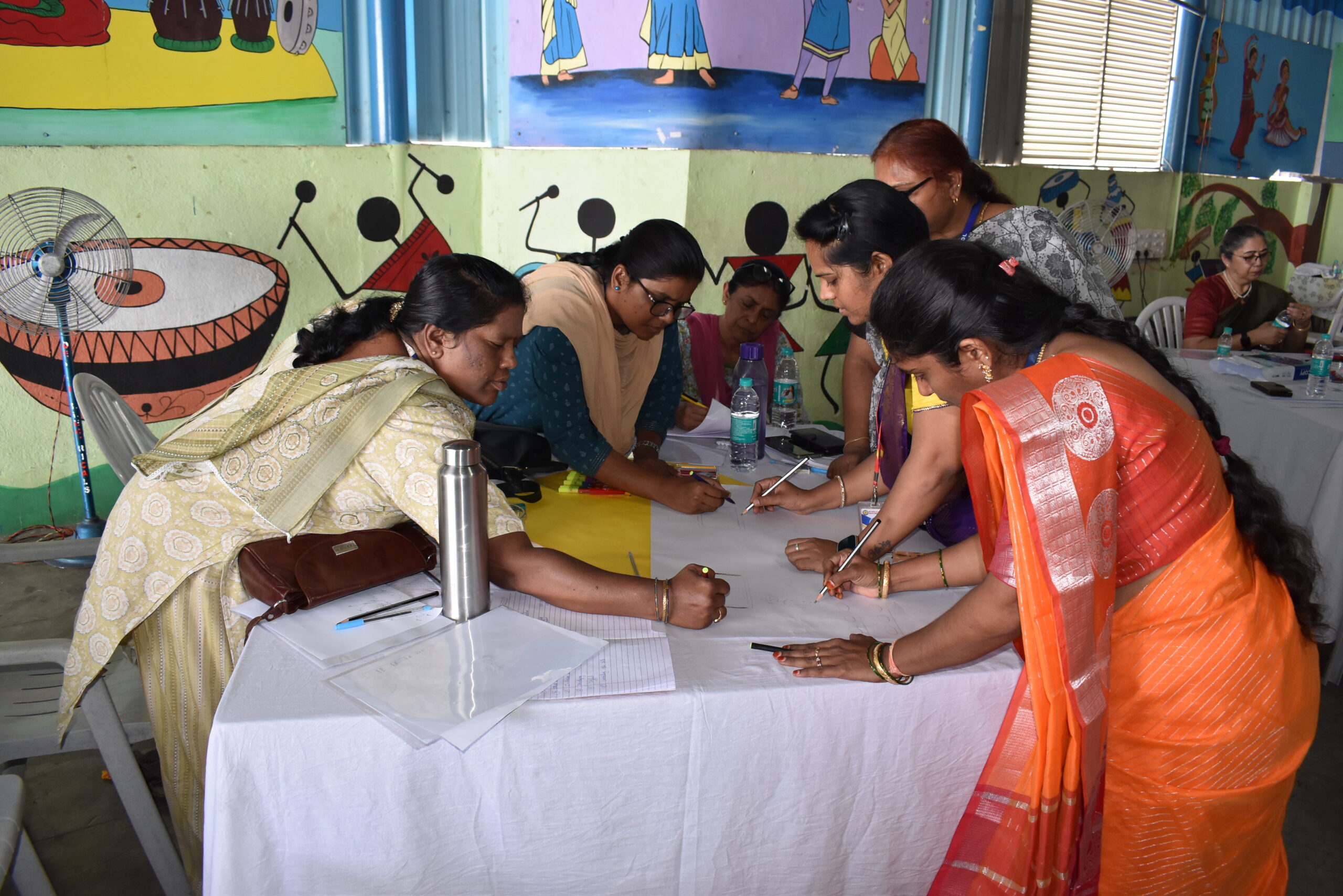
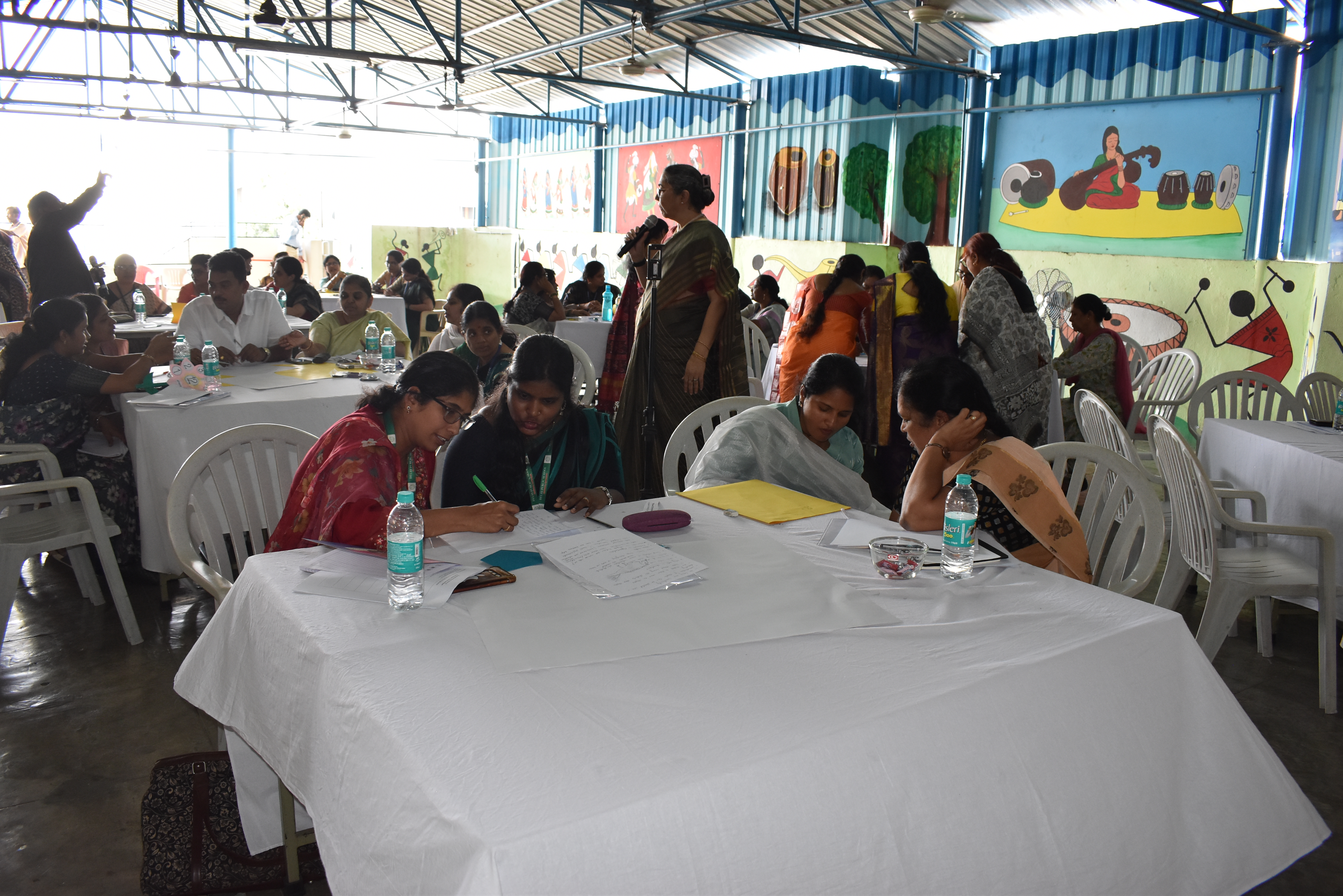
Emphasized how experiential learning can be a powerful pathway to integrate art into academic subjects. Educators were introduced to techniques that actively engage students by combining creativity with curriculum goals. Through a series of hands-on activities, the workshop demonstrated how art can enhance understanding, expression, and retention across disciplines.
Techniques Explored:
- Kinesthetic Activities: Using movement and physical expression to reinforce concepts
- Visual Arts Integration: Drawing, painting, and model-making to visualize abstract ideas
- Drama and Role Play: Bringing historical events or literary characters to life
- Music and Rhythm: Using sound patterns to teach math, language, or science
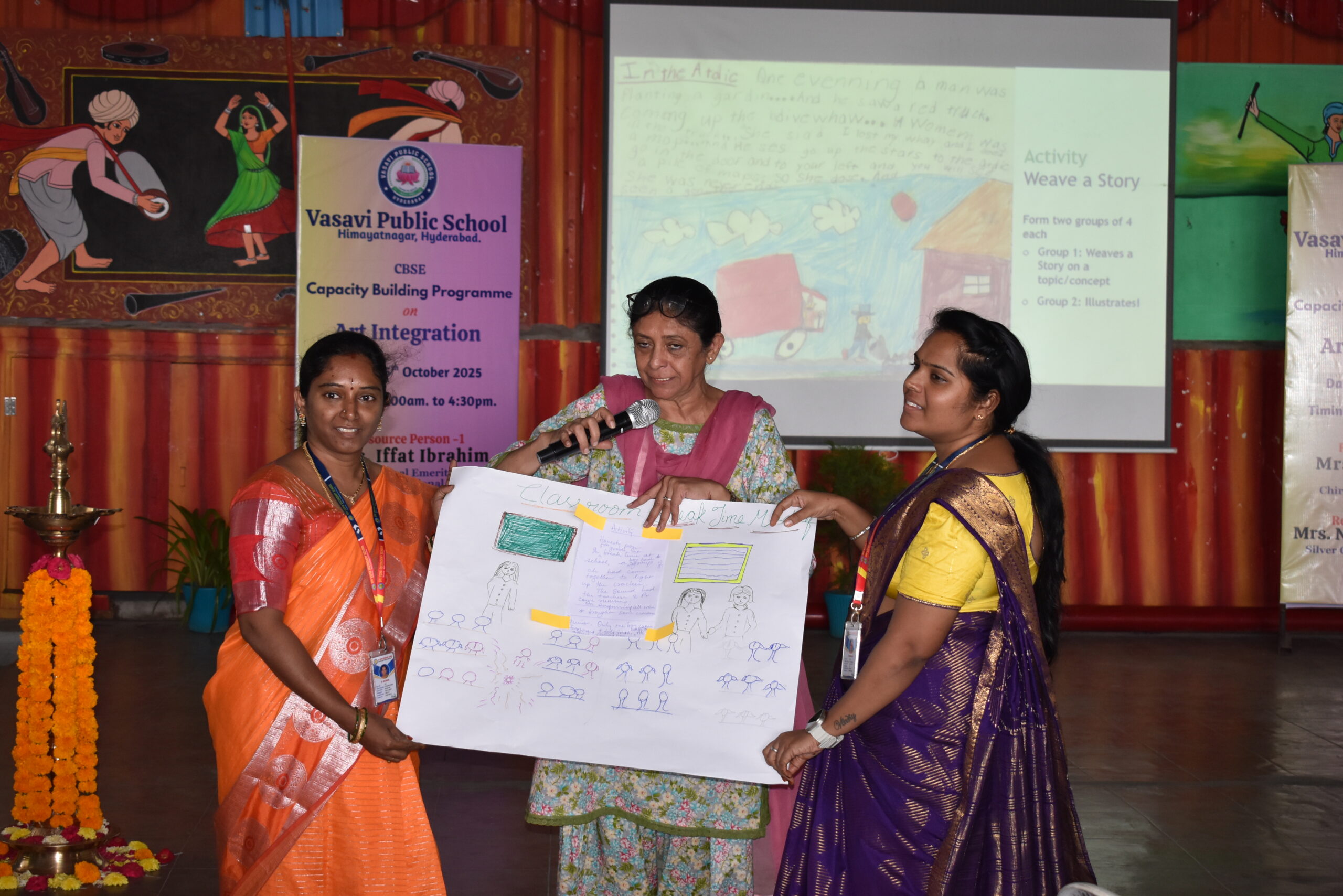
- Storytelling and Creative Writing: Encouraging imagination while building language skills
- Collaborative Projects: Group-based art tasks that foster teamwork and peer learning
Session 3: Designing of Art Integration Learning Task/ Activities:
It was stressed that Art Integration can be powerfully implemented through experiential learning, especially via field visits to cultural and historical sites. Organizing educational trips to places like museums, Chowmahalla Palace, and forts allows students to engage directly with artistic heritage, architecture, and craftsmanship.
Session 4: Eco- friendly and cost -effective Materials and Resources:
It was also informed that using eco-friendly and cost-effective materials is both a sustainable and practical approach. These resources not only reduce environmental impact but also promote creativity, affordability, and inclusivity in learning environments
- Sustainability: Materials are biodegradable, recyclable, or reusable, minimizing waste and carbon footprint.
- Affordability: Easily accessible and low-cost, making them ideal for schools and community projects.
- Creativity: Encourage innovation by repurposing everyday items into learning tools or art supplies.
Key Takeaways:
- Understanding Art Integration: Exploring the concept, objectives, and benefits of integrating art into mainstream subjects.
- Hands-on Activities: Engaging participants in visual arts, music, drama, and movement-based exercises to demonstrate how art can reinforce academic concepts.
- Curriculum Mapping: Techniques for aligning art-based activities with learning outcomes across subjects like science, mathematics, social studies, and languages.
- Assessment Through Art: Innovative ways to assess student understanding and creativity using art-based rubrics and portfolios.
- Inclusive Learning: Using art to support diverse learners and create inclusive classroom environments.
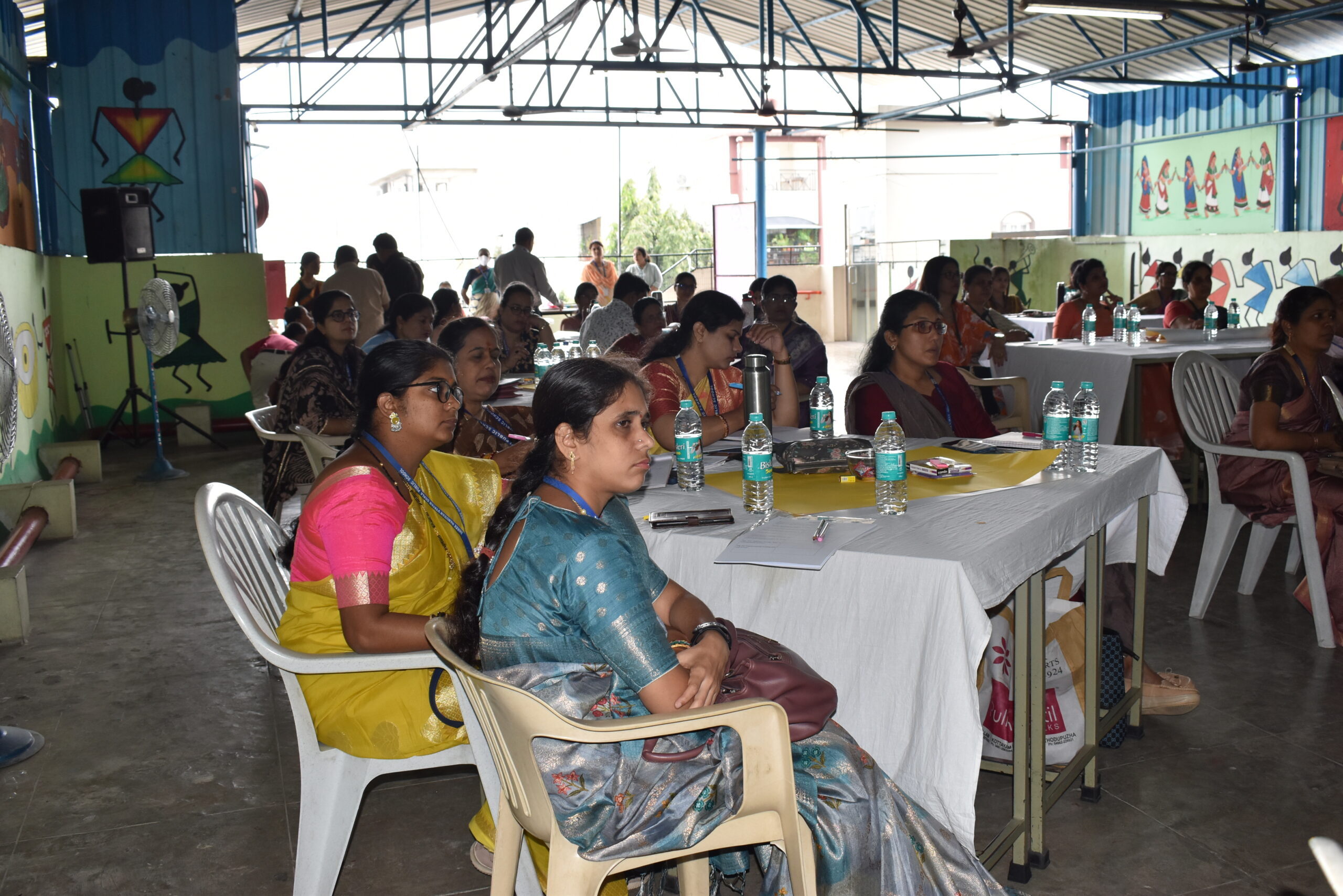
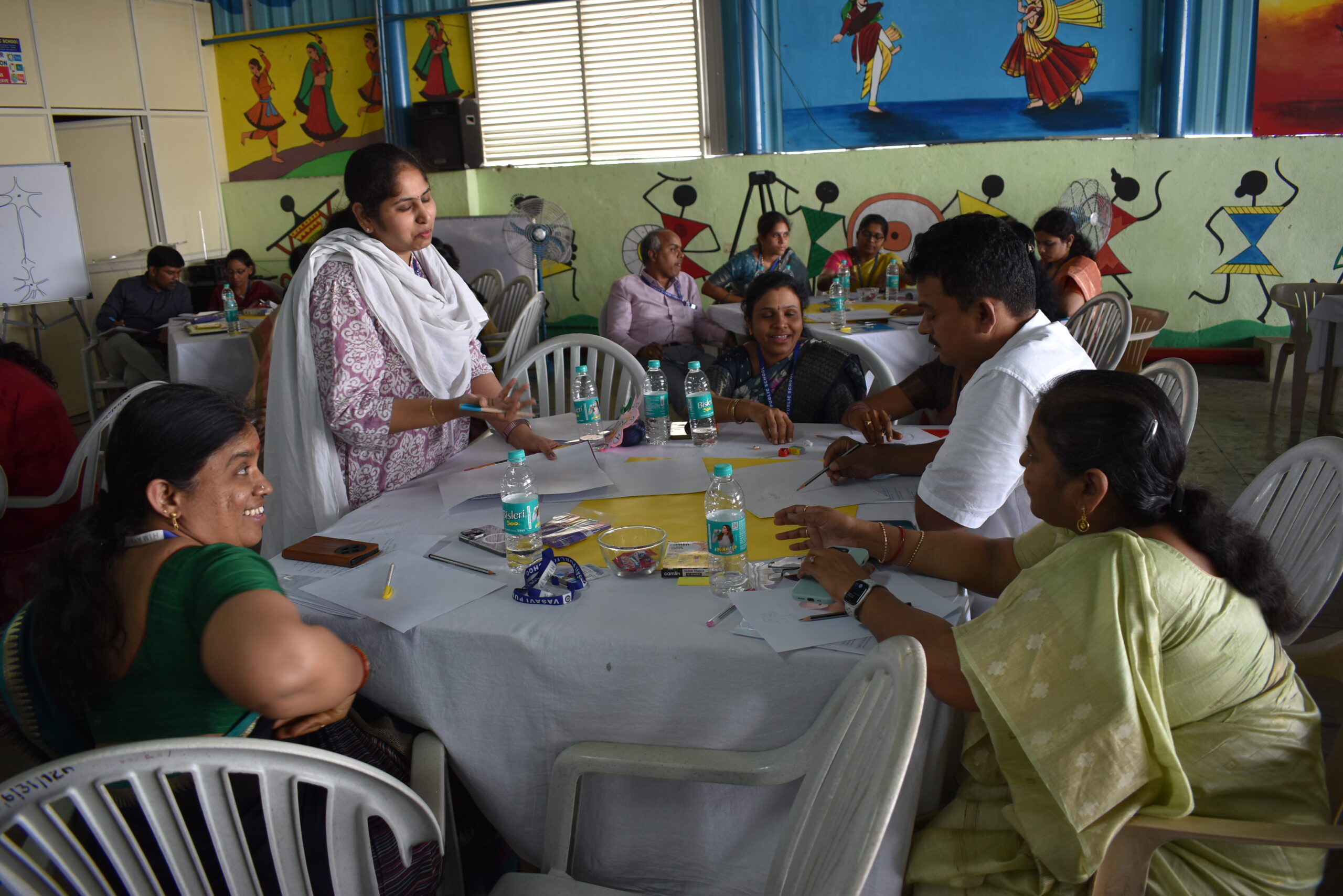
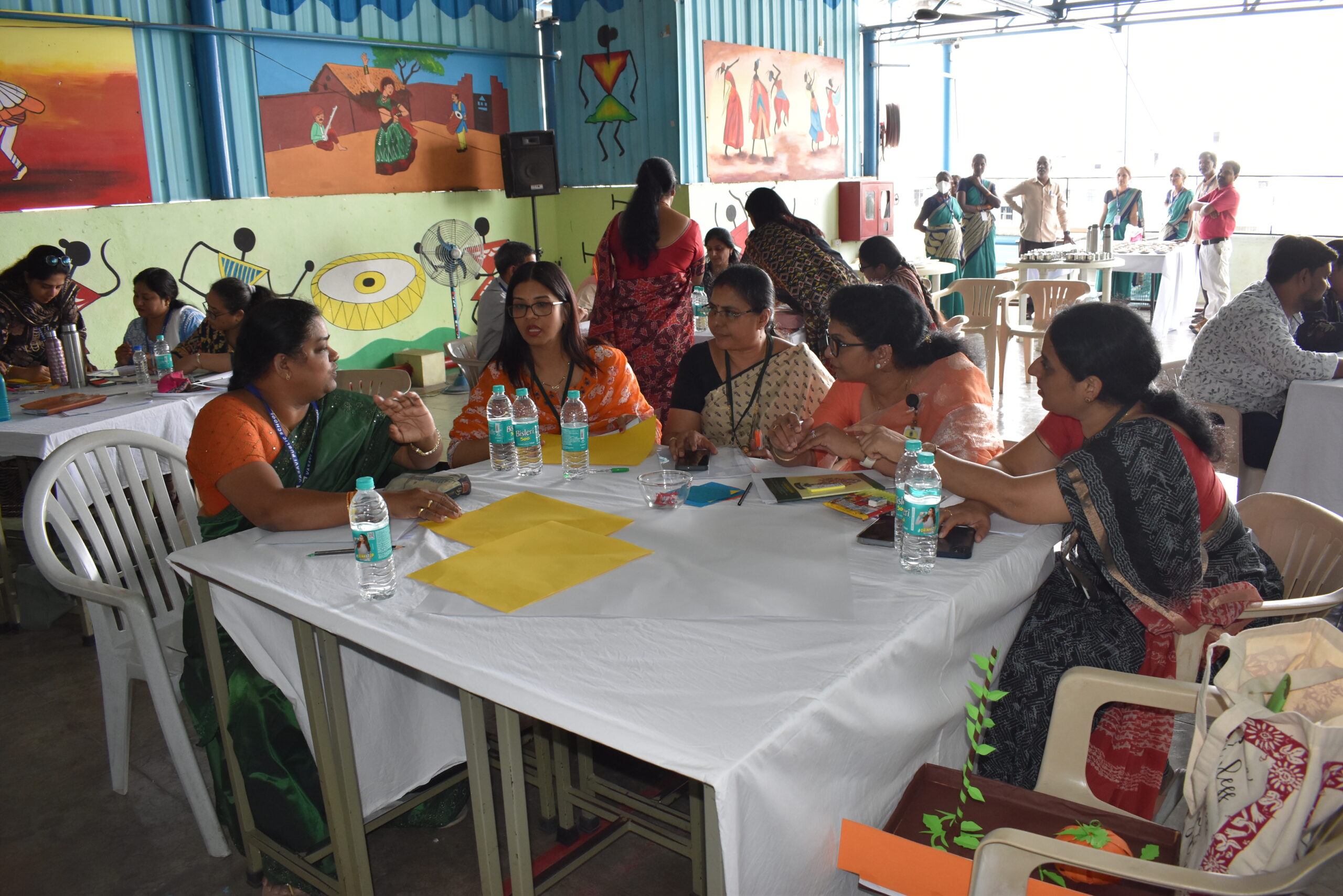
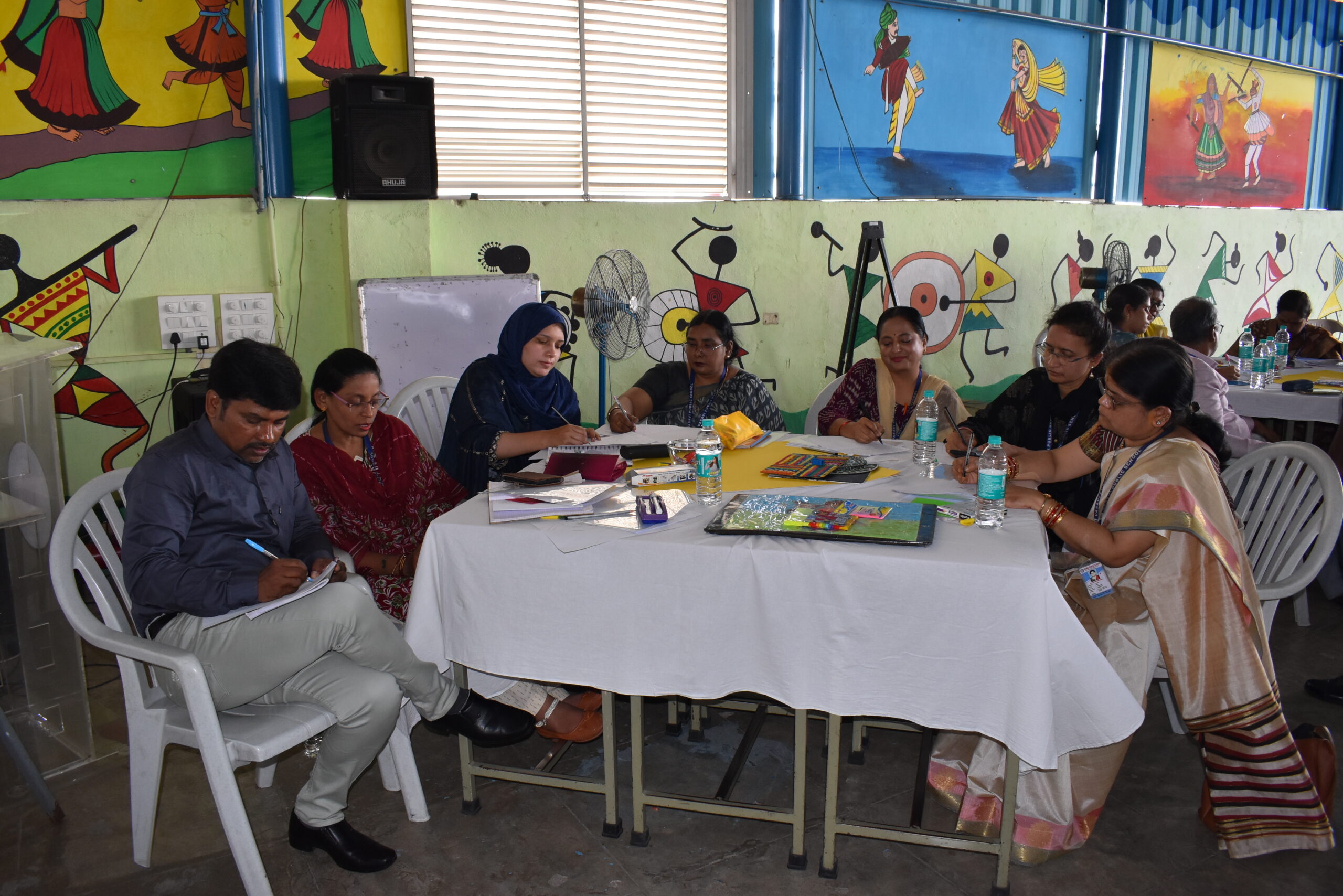
Participants actively engaged in group discussions, collaborative tasks, and creative demonstrations. The workshop encouraged teachers to reflect on their own practices and explore new ways to make learning more joyful and meaningful.